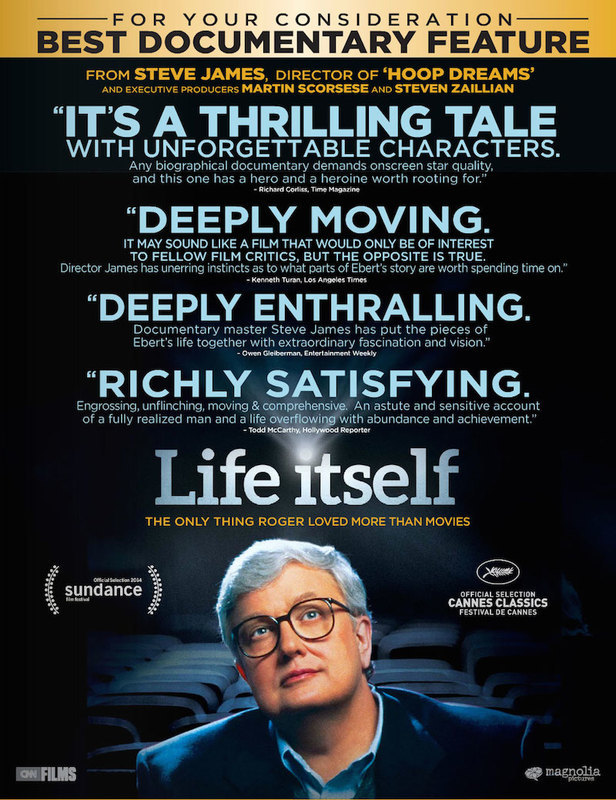
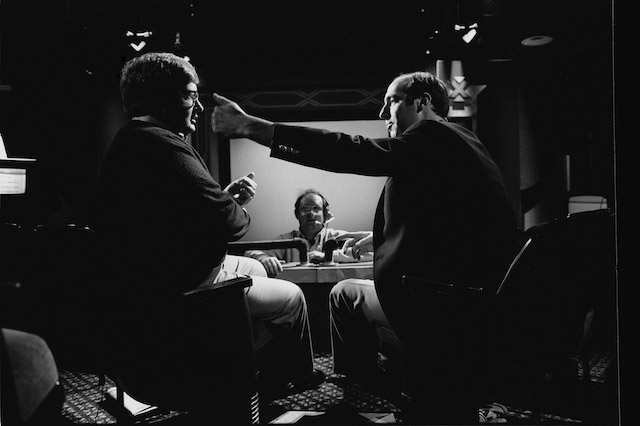
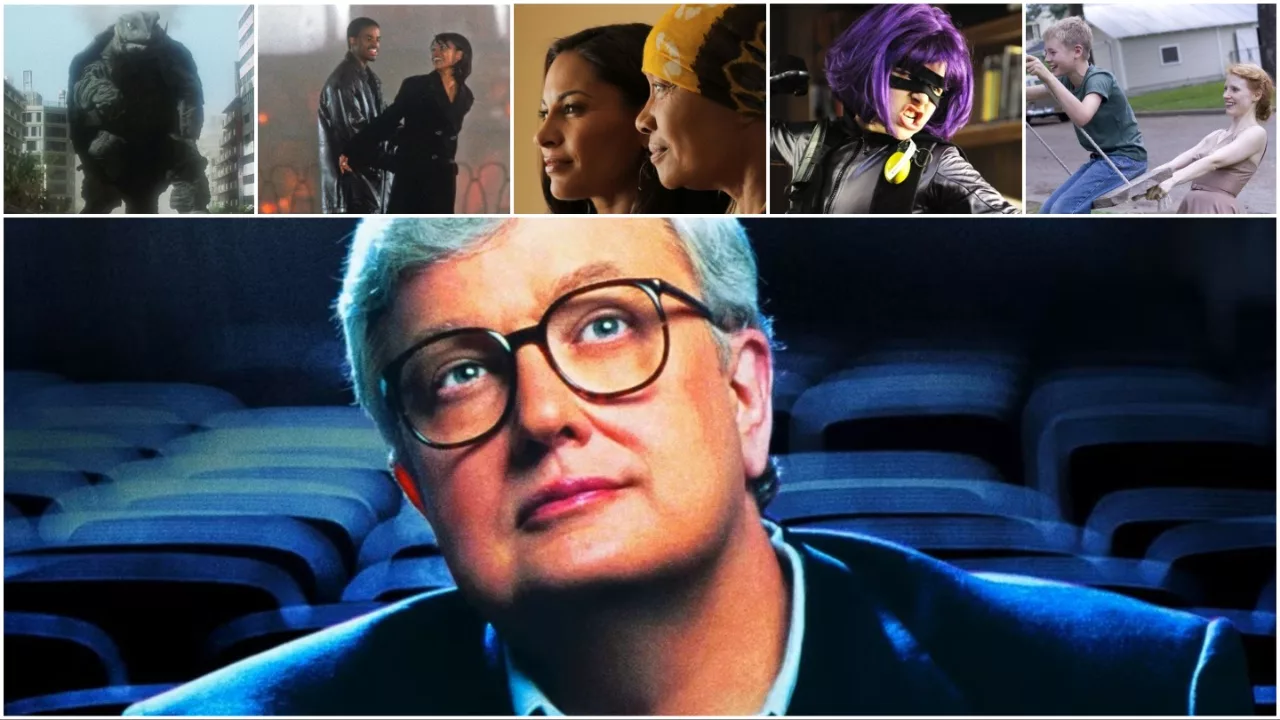
Roger Ebert is a film critic who sought to evolve how people engage with films. One of his most well-known teaching methods was “Cinema Interruptus.” This technique invited audience members to call out “STOP!” during a screening. The command would cause the current frame on the screen to be frozen, followed by a discussion on what has or is currently taking place in the still frame. This discussion roamed anywhere pertaining to the film’s visuals. Ebert transformed how to view and interpret films.
Ebert notes that every shot in a film was a conscious choice. By allowing audience members to stop and pause on each frame, they can discover all the hidden techniques that filmmakers use to guide the story over time. These shot-by-shot analysis help to show how tensions were built, emotion was evoked, and characters were developed.
I believe what also contributed to Ebert’s success was allowing for “Cinema Interruptus” to have been collaborative and interactive. By creating a space where intelligence is not questioned but given, it opens the door for multiple perspectives to change and become open minded. When there are audience members who have opportunities to contribute to the story or discussion, it continues to open up thoughts that were unpacked-those hidden mysteries that filmmakers placed behind layers of attention to detail. For example, Ebert noted that if a particular scene had characters that spoke another language or had specific content that the general public did not know or understand, there would be audience members that understood the languages being spoken or had the information and could share it with the entire room. Not only would members walk-away with a better understanding, but knowing they have something valuable to contribute.
Ultimately, Ebert’s “Cinema Interruptus” approach was to give empowerment and belief in oneself when engaging with films, trying to read and understand them. He felt that anyone can interpret a film as long as they pay attention. He wanted viewers to trust their instincts and ask questions.
This skill does not require any formal training, education, or technical experience in the film industry. All it requires is curiosity and attention to detail. Ebert wanted us to take this understanding of films and take it with us as we continue to watch countless films and tv shows. Ebert wanted to show us that scenes in films are to be questioned and explored.